What is still ripe in November – wild fruit and nuts
The foraging season is not over in November. Which fruit and nuts may still be ripe now – and which are better before or after frost.
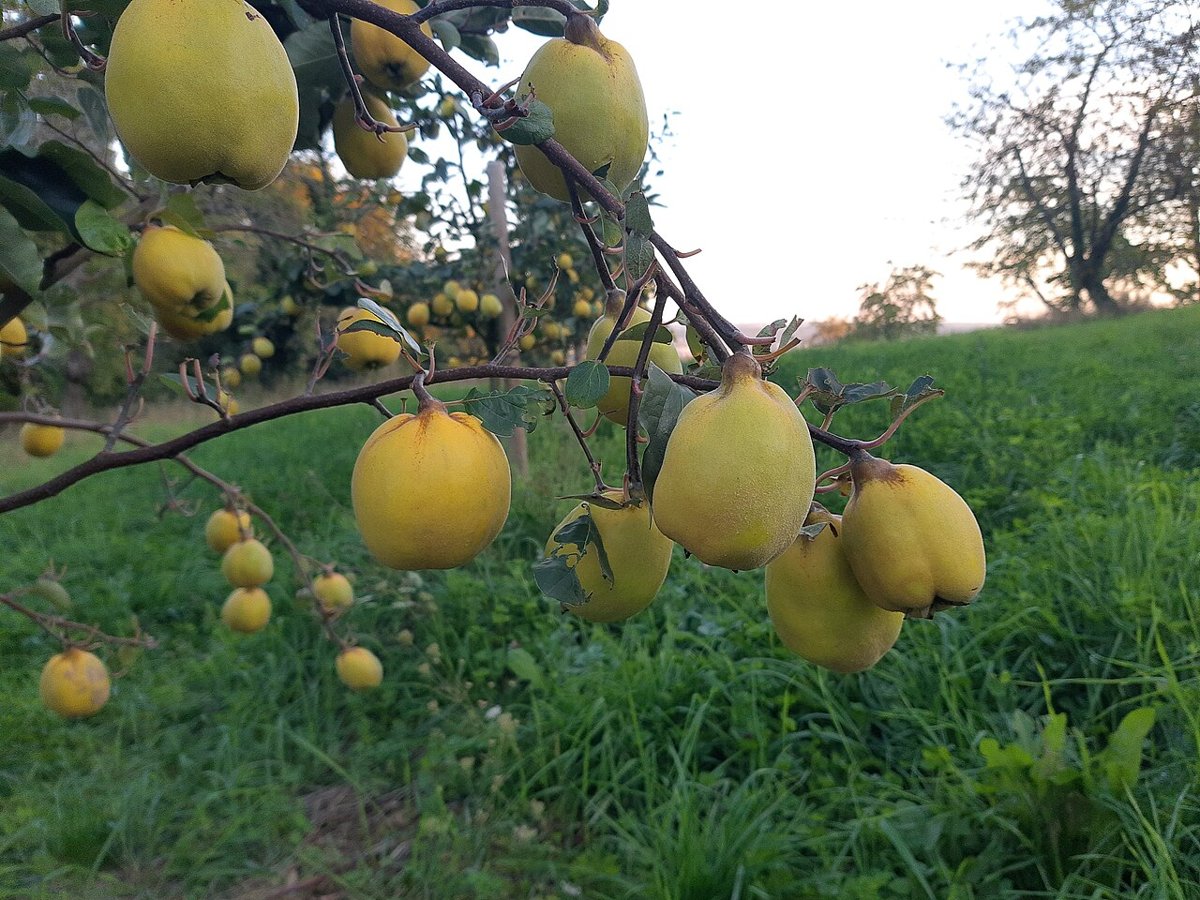
The apples have been picked and the blackberries are long gone – but if you keep your eyes open in November, there is still plenty to find. A few fruits that nobody notices in summer are ripening right now. Here is our overview of what is still hanging in November, plus a simple rule for when to pick what.
The season data comes from the species catalogue behind the Fruit Pin map. Depending on region, altitude and weather, ripening can shift by weeks.
Frost: before or after?
You often hear about autumn fruit: "Only pick after the first frost." That is true – but not for all of them.
- Pick before frost: Rose hips. Frost makes their skin bland and mealy.
- After frost or storage: Sloes and medlars. Both are very astringent when fresh and become milder with frost or a longer rest.
- A case of their own: Quinces. They are cooked, not eaten raw.
Sweet chestnuts – October to November
There is still plenty lying under sweet chestnut trees. Watch for the difference from the poisonous horse chestnut: the sweet chestnut has long, narrow, toothed leaves and a husk as densely spined as a hedgehog. Everything you need to tell them apart and roast them is in our article Sweet chestnut or horse chestnut?
Rose hips – September to November
The red fruit of wild roses hangs on into winter. It is best to pick them before the first night frosts. When preparing them, the nutlets with their itchy hairs have to come out. The easiest way: Foraging rose hips.
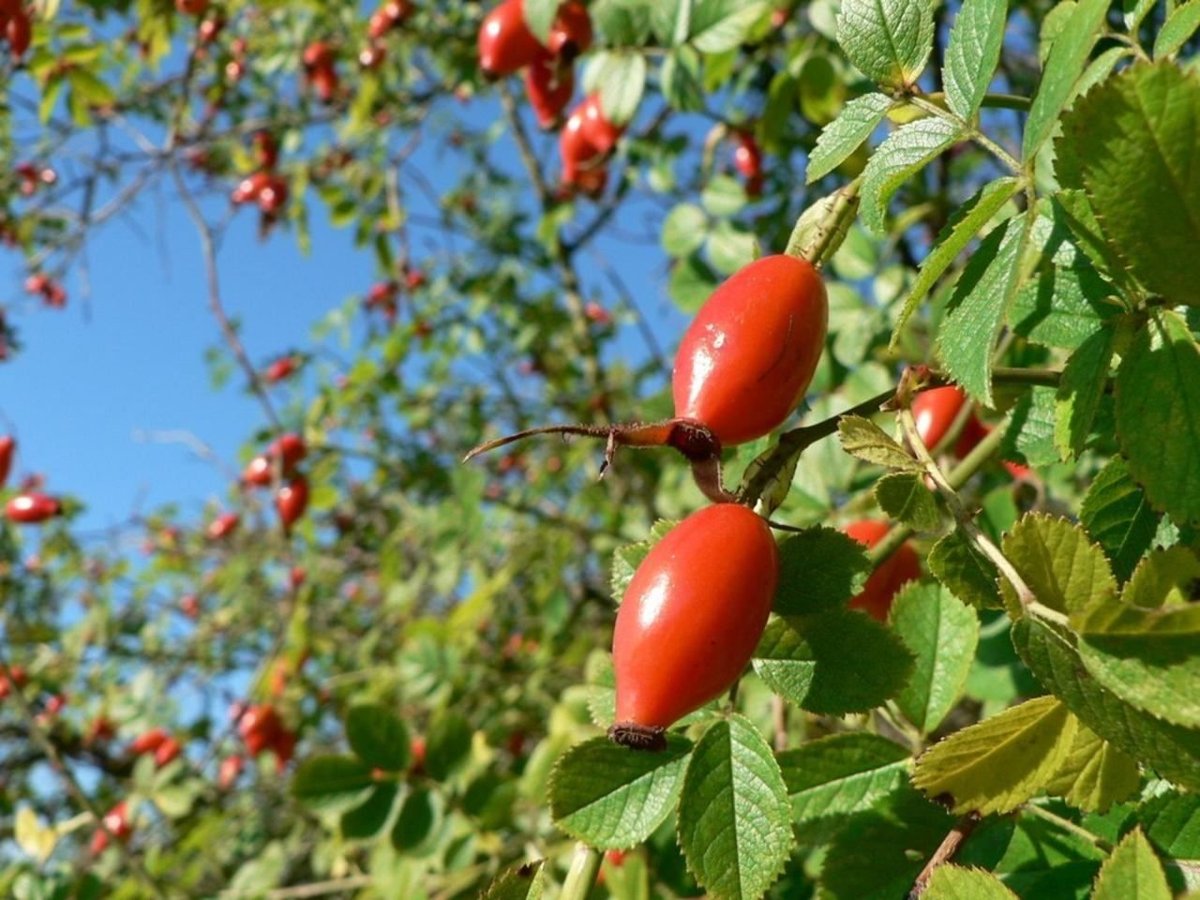
Rose hips: best before the first frost. Photo: Rosendahl, public domain.

Sloes – October to November
The blue-bloomed fruit of blackthorn is barely palatable when fresh, it is so sour and astringent. After frost it becomes milder. Beware of privet: its glossy black berries often hang in the same hedge. How to tell them apart: Foraging sloes.
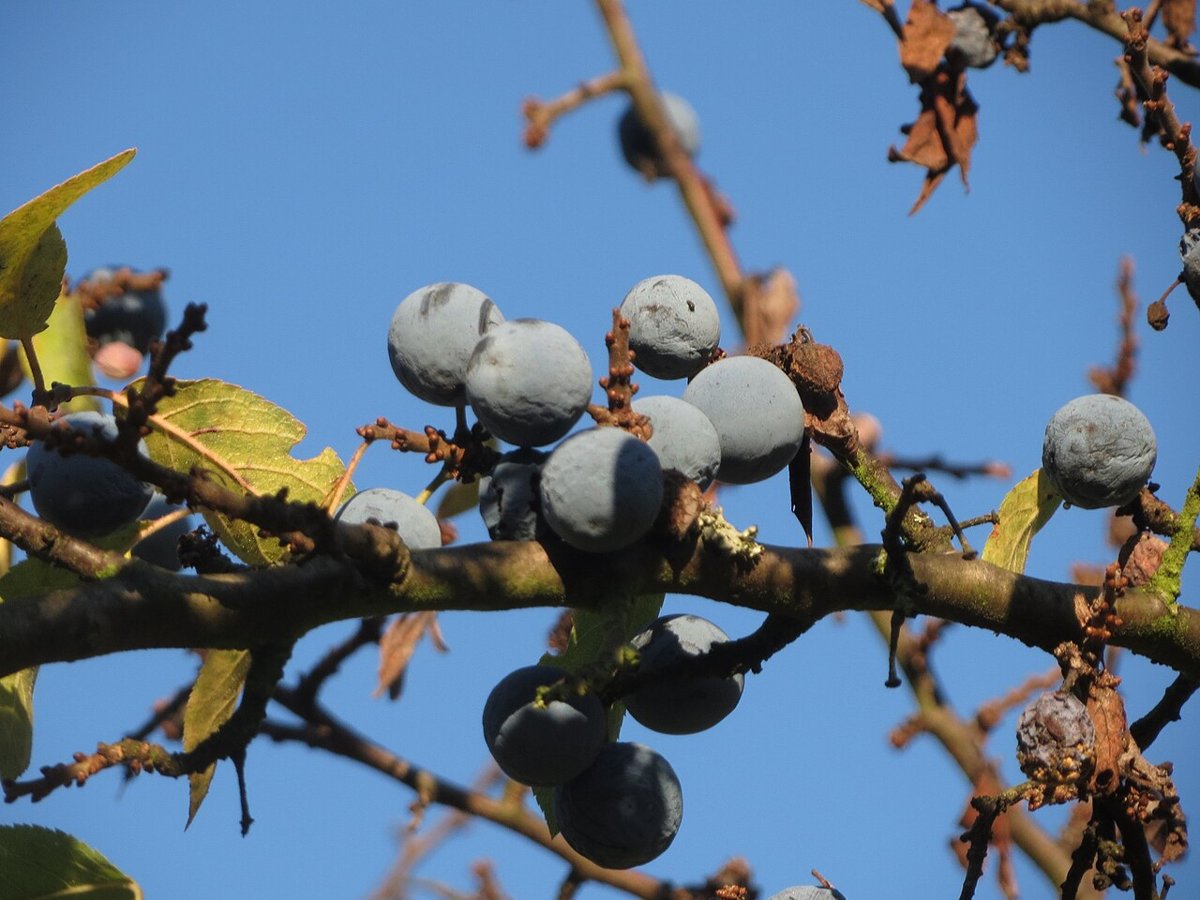
Sloes: only really good after frost. Photo: AnRo0002, CC0.

Medlars – October to November
The brown fruit with the open, sepal-crowned tip is an almost forgotten fruit. Picked hard, it first has to rest somewhere cool until it turns brown and soft. More: Medlars – the old fruit that has to go soft first.
Quinces – October to November
Quinces are among the last fruits of the year. The varieties grown in central Europe are hard, astringent and bitter when raw – they are cooked, for example into jelly or quince paste.
- Rub off the fuzz: Before preparing them, rub the downy fuzz off thoroughly with a coarse cloth. It contains a lot of bitter compounds.
- Do not eat the seeds: The seeds contain toxic cyanogenic glycosides. Remove the core and neither crush nor eat the seeds.
- Storage: Quinces bruise easily. Stored cool, in a single layer, in a box lined with paper, they keep for a long time.
Quince trees almost always stand in gardens, orchards or parks – they were planted and belong to someone. Only harvest where it is explicitly allowed, for example from trees with a yellow ribbon.
Leave some behind
Many autumn fruits stay on the shrubs well into winter. By then they are an important food source for birds and other animals. Only take small amounts for yourself – which is also what German law allows for wild-growing fruit under Section 39(3) of the Federal Nature Conservation Act, in places you are allowed to enter.
What is ripe near you right now
The Fruit Pin map shows freely accessible spots – fruit trees, nuts, berries and herbs. Set the filter to In season to see what may be ripe according to the catalogue. For every spot you can also choose Remind me in season: you will get an email as soon as the species is in season again – handy for the medlar you saw flowering in early summer and would otherwise have forgotten by autumn.
A map entry does not replace identifying the plant on the spot: always look at every plant yourself.
Before you pick
Identify every plant yourself with certainty before you eat it. Entries on this map come from users and are not verified by us. When in doubt, do not consume.