Yellow ribbon on a fruit tree – you may pick here
A yellow ribbon on a tree in Germany means: harvest allowed. What is behind the campaign, which rules apply, and why fruit without a ribbon belongs to someone.
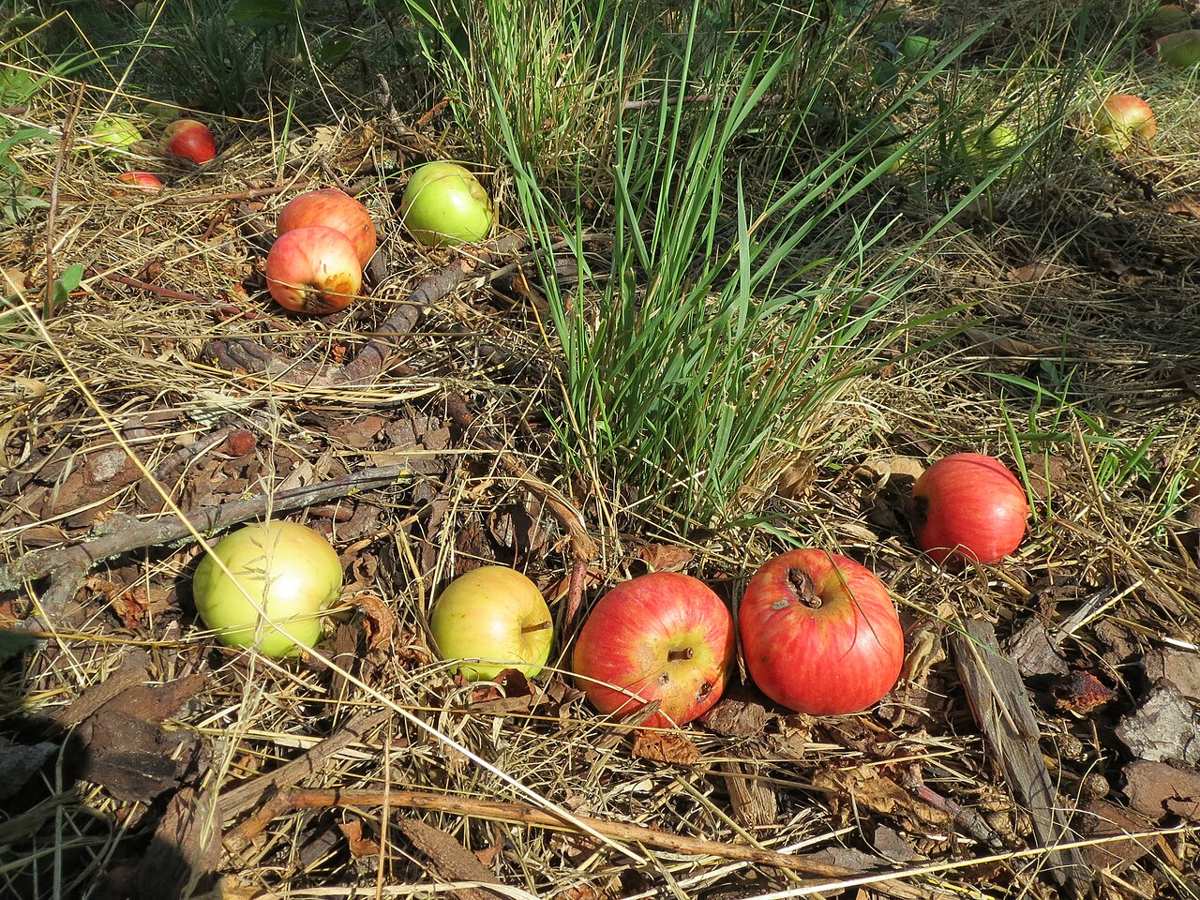
Every autumn it is the same picture in Germany: apple and pear trees hang heavy with fruit, windfalls rot underneath – and nobody dares to help themselves. That is exactly what the yellow ribbon is for. If one is tied to a fruit tree, it means: you may harvest here. Free of charge and without asking. Here is where the idea comes from, which rules apply when picking, and what applies to trees without a ribbon.
What the yellow ribbon means
The "Gelbes Band" (yellow ribbon) campaign aims to get more fruit trees harvested and less fruit wasted. It is run in many German states and municipalities; at national level, the Federal Ministry of Agriculture's initiative Zu gut für die Tonne! ("Too good for the bin!") promotes it.
According to the initiative, a yellow ribbon on a tree or shrub means:
- You may pick the fruit without asking.
- You may gather windfalls from that tree.
- The harvest is free and meant for your own use.
The ribbon is put up by whoever owns the tree – a municipality, an association or a private person who cannot harvest all the fruit themselves.
Where the idea comes from
The idea was made popular by the district of Esslingen in southern Germany: in 2020, its "Gelbes Band" harvest project won the national "Zu gut für die Tonne!" award in the agriculture and production category. The same year, 1,800 yellow ribbons invited people to harvest across the state of Lower Saxony. Saarland took up the campaign too. In 2021, the federal and state governments promoted it nationwide; since then, many states and municipalities have continued it on their own.
The background: according to the German Federal Ministry of Agriculture, around eleven million tonnes of food end up in the bin in Germany every year – a large share of it fruit and vegetables.
The rules for picking
The initiative lists a few simple rules:
- Only pick from trees with a yellow ribbon. Only their fruit has been released.
- Be gentle. Do not break branches or tug at twigs; respect other people's property.
- No ladders. Only pick what you can reach from the ground, or gather windfalls.
- Watch your step. Orchards often have fallen branches, holes and uneven ground.
- Only take what you will actually use.
- Check and wash the fruit. A brown spot is no reason to throw fruit away – just cut it out.
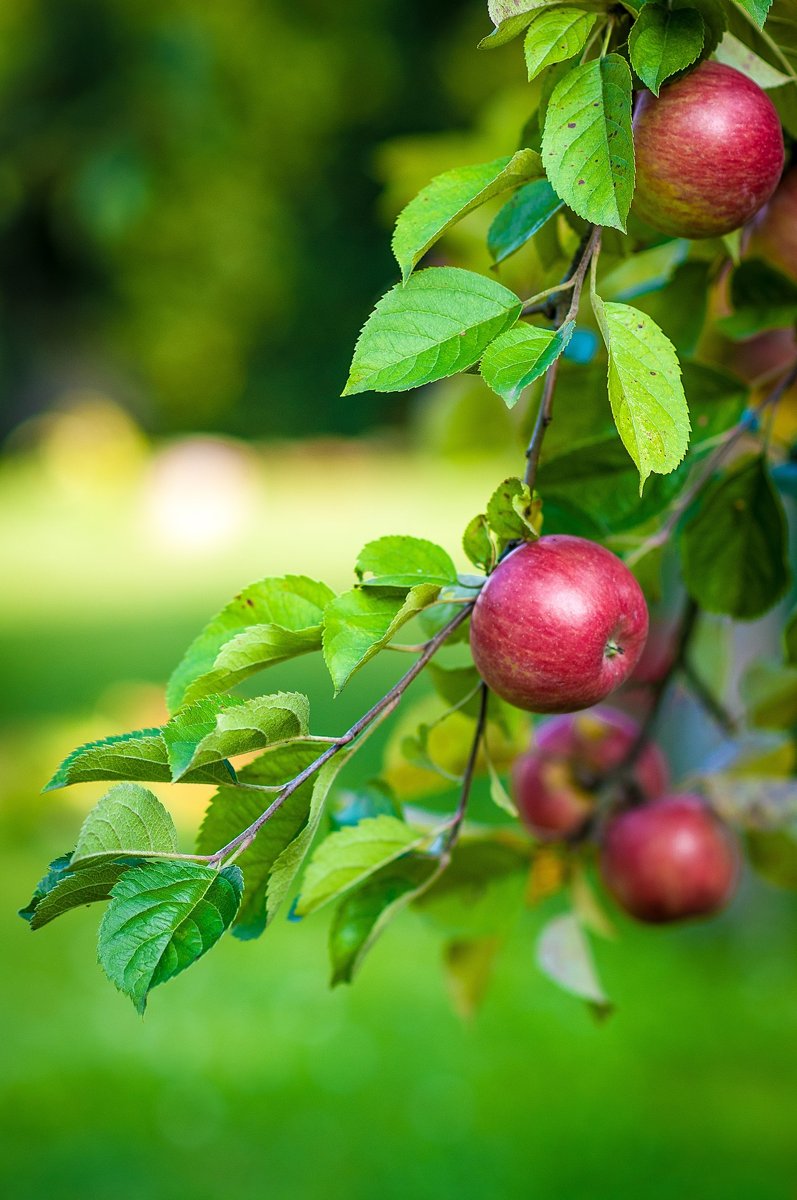
What you can reach from the ground, you may pick – no ladder. Photo: jackal211, CC0.

No ribbon? Then the fruit belongs to someone
Fruit trees along roads, in meadows and in parks were almost always planted – and they have an owner. Fruit on a tree belongs to the owner of the land – even if a branch hangs over the pavement, and even if the fruit is already lying on the ground.
The often-quoted rule in Section 39(3) of the German Federal Nature Conservation Act refers to wild-growing fruit, which you may gather in small amounts for personal use. For fruit from trees that belong to someone, the sentence above still applies: it belongs to the owner.
No ribbon, but the tree bears far more than its owner needs? Then ask – the municipality, the parks department, or knock on the door. Many people are glad when their fruit does not go to waste.
Outside Germany, other rules apply – check what is allowed where you are.
Have a tree that bears too much?
Anyone can take part, no registration needed. The initiative recommends:
- Only mark your own trees – and only the ones you really want to share.
- Ribbons that rot away: Ribbons made of cellulose, about one and a half metres long, have proved their worth. Otherwise take the ribbons down at the end of the season.
- Think about liability: As the owner, you are responsible for making sure your tree poses no danger, for example from rotten branches. A sign saying "pick at your own risk" does not change that. The initiative recommends checking with your liability insurance beforehand that you are adequately covered.
Find released trees on the map
The Fruit Pin map shows freely accessible spots – fruit trees, nuts, berries and herbs. Each entry shows how the spot can be accessed: publicly accessible or explicitly released, for example by the owner.
Found a tree with a yellow ribbon in a freely accessible place? Add it as a new spot and choose "explicitly released" as the access type. Mention in the access note that the yellow ribbon is the release – ribbons often stay up for just one season.
A map entry does not replace a look on site: is the ribbon still there? Then go ahead.
Before you pick
Identify every plant yourself with certainty before you eat it. Entries on this map come from users and are not verified by us. When in doubt, do not consume.